




Your gums are, quite literally, the foundation of your smile. When a problem arises—such as chronic bleeding, loose teeth, or the need for an implant—your general dentist will likely refer you to a specialist: a periodontist.
Choosing the right professional can make the difference between a long, painful treatment and a quick, successful recovery. If you’re looking for this specialist, here are the 10 key factors you should consider before making a decision.
1. Specialization and Verifiable Credentials
Not all dentists are periodontists. A periodontist is a dentist who has completed several additional years of specialized training in the prevention, diagnosis, and treatment of periodontal disease and in the placement of dental implants.
What to look for: Make sure the professional is certified and a member of recognized periodontology associations in your country or internationally.
2. Proven clinical experience
Theory is important, but practice makes perfect. Ask how many procedures similar to yours the specialist has performed.
What to look for: If you need a gum graft or complex implants, look for someone whose daily practice focuses on these specific treatments.
3. State-of-the-art technology and equipment
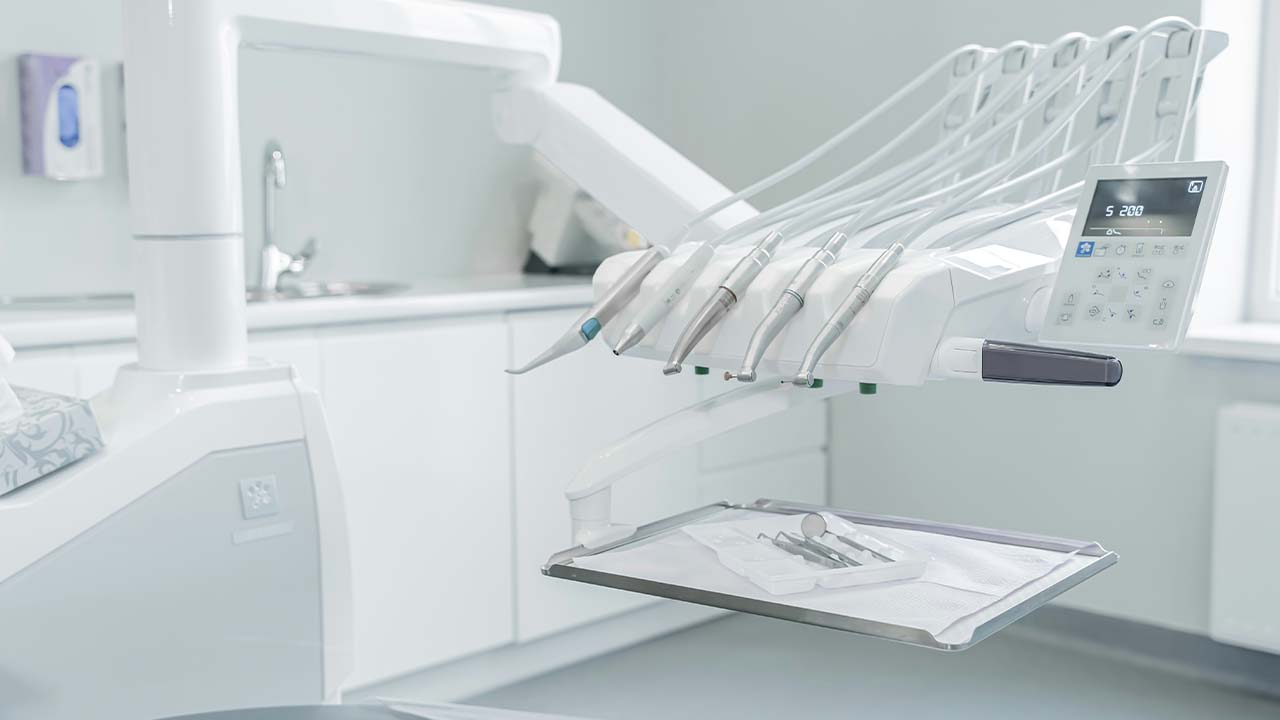
Periodontics has made tremendous strides. Thanks to technology, modern clinics offer treatments that are less invasive, faster, and less painful.
What to look for: Ask if they use tools such as dental lasers (for less invasive surgery), 3D digital X-rays (CBCT), or intraoral scanners.
4. A preventive and conservative approach
The best specialist isn’t the one who wants to operate immediately, but the one who exhausts less invasive options first.
What to look for: Ask if they use dental microscopy (for more precise, minimally invasive surgery), 3D digital X-rays (CBCT) for accurate planning, or intraoral scanners that eliminate the need for uncomfortable impression paste.
5. Empathy and clear communication
Dental treatments can cause anxiety. You need someone who listens to you, acknowledges your concerns, and explains everything in simple terms.
What to look for: During your first consultation, assess whether the dentist takes the time to explain your diagnosis without using too much medical jargon and whether they answer all your questions patiently.
6. Testimonials and reviews from other patients
These days, other people’s experiences are one of our best guides.
What to look for: Check reviews on Google, social media, or medical directories. Pay attention not only to what they say about the medical outcome but also to the personal touch and care provided by the support staff.
7. Hygiene and biosafety protocols
The cleanliness of the office is a direct reflection of the care they will provide for your mouth.
What to look for: Take a look around, from the waiting room to the dental chair. The use of sterilized equipment, protective barriers, and gloves is non-negotiable.
8. Transparency regarding costs and payment options

Periodontal treatments are often a significant investment. You definitely want to avoid any surprises on the final bill.
What to look for: Request a clear, written estimate before starting any procedure. Ask if they accept your dental insurance or if they offer financing plans and payment plans.
9. Location and Availability of Appointment Times
Gum treatments often require multiple follow-up and maintenance visits over the course of several months.
What to look for: A clinic that is relatively close to your home or work, and that has hours that fit your daily routine, will make it easier for you to stick with the treatment.
10. Interdisciplinary Care (Coordination with Your Dentist)
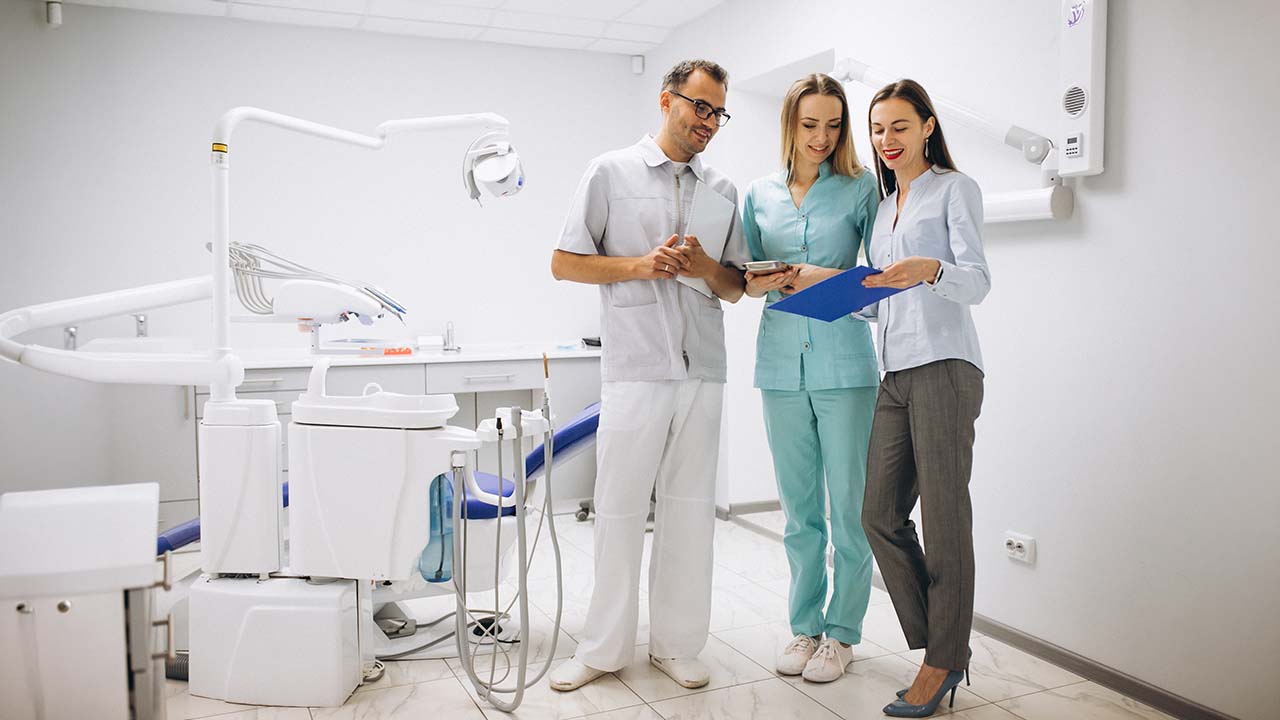
Your oral health is a team effort. The periodontist should work closely with your general dentist or other specialists (such as orthodontists or prosthodontists) if your case requires it.
What to look for: A professional who maintains open communication and sends regular reports to your primary care dentist.
Final tip: Trust your instincts. If you don’t feel confident or comfortable after the initial consultation, it’s perfectly fine to seek a second opinion. Your periodontal health deserves to be in the best hands.