



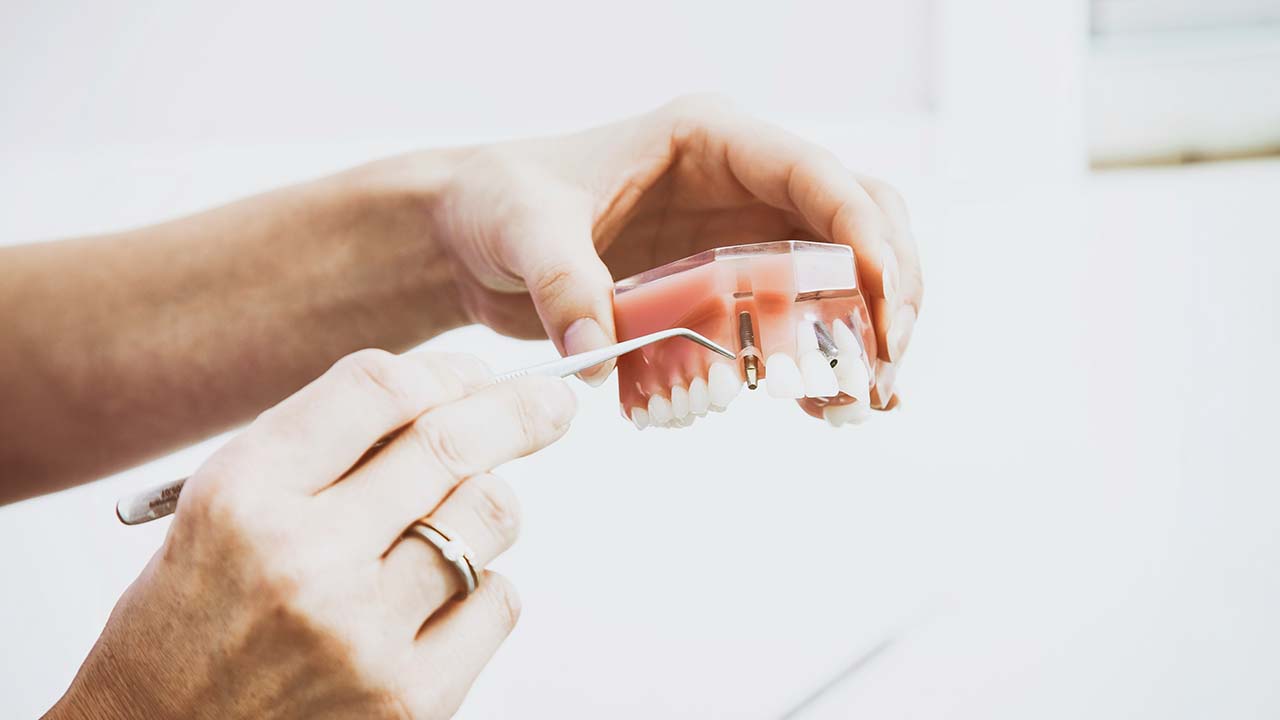
Receiving a dental implant is an investment, not only of money, but also of health and confidence. However, there’s a dangerous myth: the belief that, because it’s not organic tissue, the implant can’t get sick. The reality is that the gum and bone that support it remain vulnerable. If we allow bacteria to metabolize around the metal, we can face peri-implantitis, an infection that can lead to the complete loss of the implant.
Here are 10 key strategies to protect your new smile and ensure that this investment lasts for decades.
1. The “Steel Tooth” Myth
Implants don’t get cavities, that’s true, but they have an “Achilles’ heel”: the lack of a periodontal ligament. Without this natural barrier of fibers, infection progresses more quickly to the bone than in a natural tooth. Your first step is to understand that your implant is more fragile against bacteria than a natural tooth.
2. The Water Flosser is Your Best Ally
Traditional dental floss sometimes falls short in the architecture of an implant-supported crown. A water flosser (like the Waterpik) reaches those deep corners where a toothbrush can’t, removing food debris and plaque through hydrodynamic pressure without damaging the gum seal.
3. The “Hug” Technique with Interproximal Brushes
Not all spaces between teeth are the same. Implants often have a narrower base than the crown. Using interproximal brushes made of floss or plastic (without metal that could scratch the titanium) allows you to “hug” the implant abutment and sweep away plaque hidden in the gum tunnel.
4. Beware of the “Nutcracker Effect”
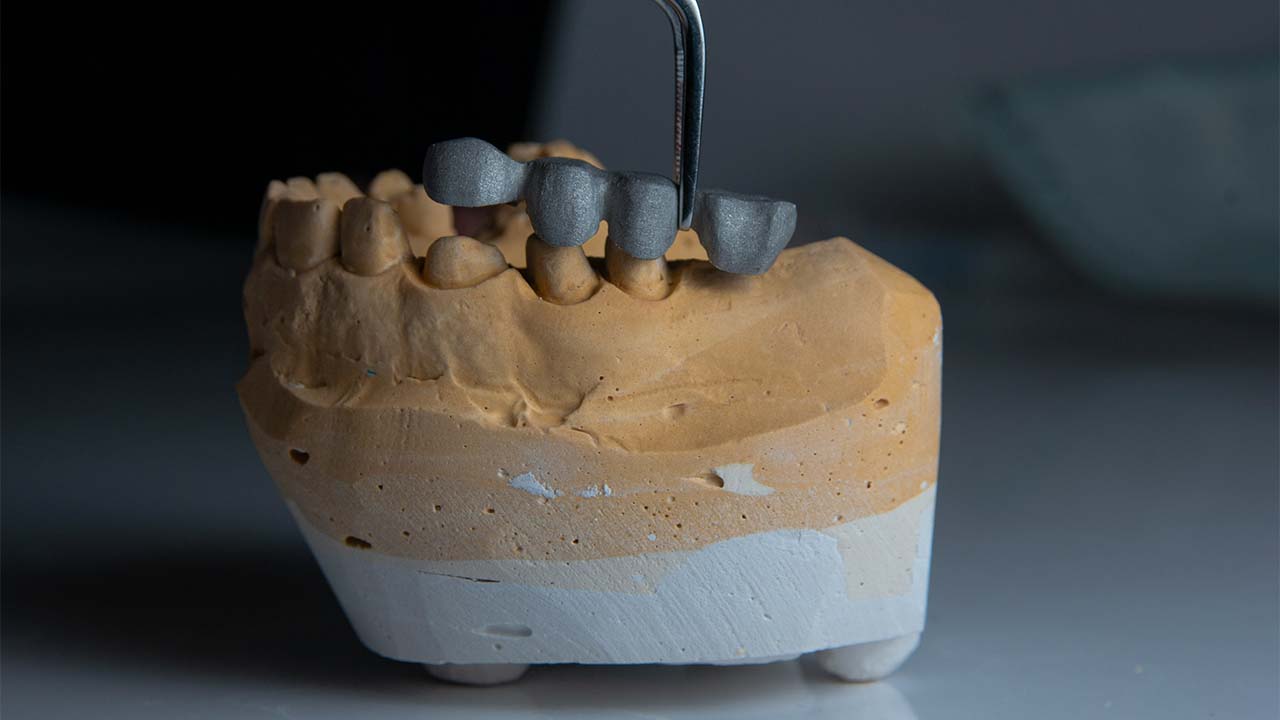
Titanium is strong, but the ceramic crown and implant connection can be damaged by excessive force. Avoid biting ice, opening packages with your mouth, or biting your nails. If you suffer from bruxism (teeth grinding), a night guard is essential to prevent fracturing the implant’s integration.
5. Tobacco: The Silent Enemy of Osseointegration
Smoking reduces blood flow to the gums and delays healing. In patients with implants, tobacco is the number one risk factor for long-term failure, as it masks inflammation and weakens the bone’s immune response.
6. Professional “Workshop Cleaning”
You can’t clean your implant the same way you clean your natural teeth in the clinic. We use resin or carbon curettes and specific ultrasonic scalers to avoid scratching the titanium surface. Skipping your semi-annual cleanings is like not changing the oil in a high-performance engine.
7. Sugar Control and Systemic Health
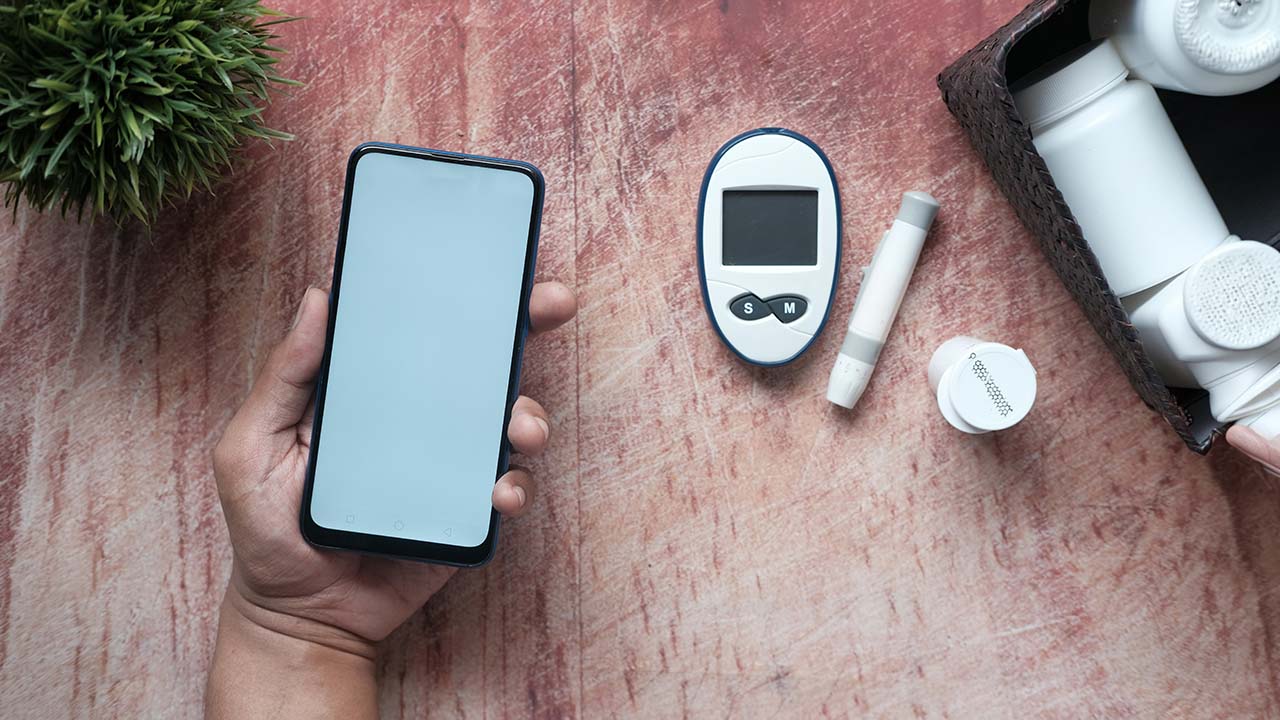
Uncontrolled diabetes accelerates peri-implantitis. High blood glucose levels impair the body’s ability to fight infection in the implant area. Maintaining your overall health is protecting your oral health.
8. Avoid abrasive toothpastes
Those “whitening” toothpastes with activated charcoal or coarse particles can create micro-scratches on the implant components. These scratches are the perfect breeding ground for bacteria, making them unreachable by your toothbrush.
9. Watch for “Bleeding When Brushing”
Bleeding on an implant is a silent medical emergency. Unlike a tooth, where gingivitis can take years to become serious, bleeding on an implant indicates that infection is already reaching the bone. If you see blood, call your periodontist immediately.
10. vitamin D and Bone Support
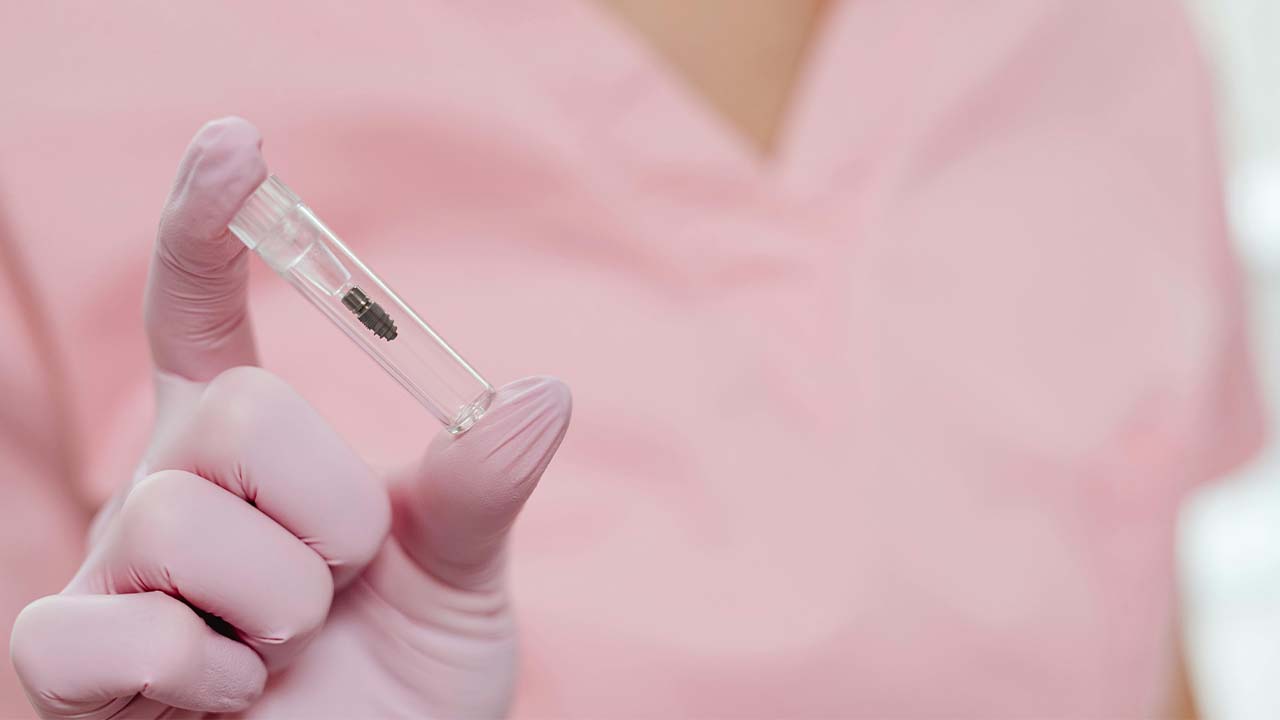
The implant thrives thanks to the surrounding bone. Maintaining optimal Vitamin D levels and a mineral-rich diet ensures active bone metabolism, keeping that “fusion” (osseointegration) strong against daily bacterial challenges.
Conclusion: Your Role as Guardian
As your periodontist, I lay the foundation and ensure the engineering of your smile, but you are the one who performs the daily maintenance. A dental implant is not a “set it and forget it” piece; it is an artificial organ that requires respect and specific care. If you follow these steps, the 20-year success rate exceeds 95%. Take care of your investment, and it will thrive.