



Anyone who grew up in the Coffee Region knows that grandmothers have a magic remedy for every ailment. And when it comes to a toothache or swollen, bleeding gums, there’s no shortage of advice at family gatherings.
As a periodontist, I hear these stories every day in my practice. Some of these “grandma’s remedies” have surprising scientific backing and can be great temporary allies. However, others are veritable time bombs that can cause burns, destroy bone, or accelerate tooth loss.
Today we’re going to put the Top 10 most common home remedies in Colombia under the clinical microscope to separate science from myth.
1. Warm Saltwater Rinses (La Salmuera)
The verdict: Approved (as temporary relief).
The science: This is a classic that works based on a physical principle called osmosis. Salt water helps draw excess fluid from the inflamed gum tissue, reducing swelling and creating a temporarily hostile environment for some bacteria. It doesn’t cure periodontitis, but it’s an excellent first aid measure.
2. Rinses with calendula infusion
The verdict: Approved.
The science: Grandmothers were right. Calendula officinalis has anti-inflammatory, healing, and antiseptic properties that have been proven in dental studies. A warm calendula mouthwash (without sugar) helps soothe irritated gums, making it a very useful supplement after periodontal surgery or a deep cleaning.
3. Rubbing with pure baking soda
The verdict: Dangerous!
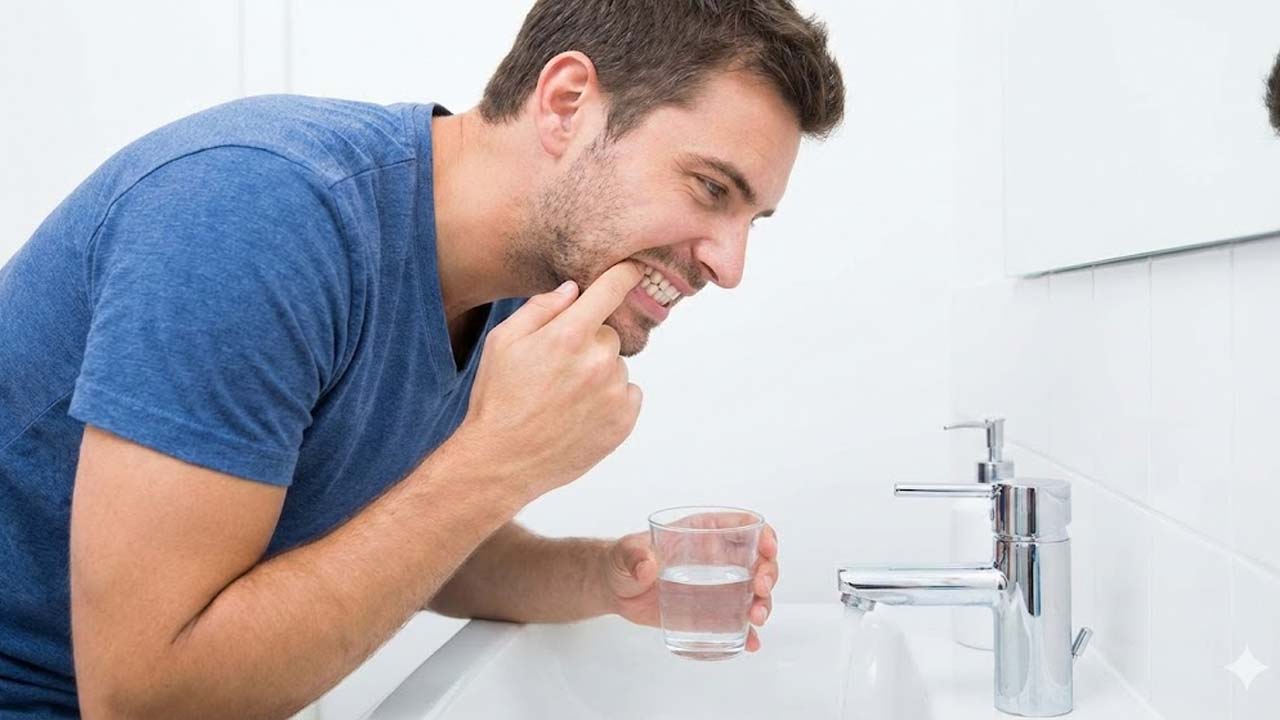
The science: Many believe that because it’s white, it “cleans and disinfects.” The mistake is rubbing it directly onto gums that are already diseased. Baking soda is highly abrasive; it acts like microscopic sandpaper that tears fragile gum tissue and scratches tooth enamel, drastically worsening gum recession.
4. Lemon juice directly on bleeding gums
The verdict: Very dangerous.
The science: The idea that lemon “cuts through infection” is a harmful myth. Lemon juice has an extremely acidic pH (around 2.0). Applying it to inflamed gums not only causes unbearable burning but also causes chemical burns to the soft tissue and demineralizes the tooth almost immediately.
5. Chewing Cloves
The verdict: Approved with caution.
The science: Cloves contain a substance called eugenol. In fact, if you’ve ever smelled that characteristic “dentist’s office” scent, it’s eugenol. It acts as a natural local anesthetic and a mild antibacterial agent. Placing a clove on the affected area numbs the pain, but be careful: it doesn’t eliminate the deep infection that is destroying the bone.
6. Chewing Guava Leaves
The verdict: Approved.
The science: This is a very traditional remedy in rural areas of Quindío, and there is scientific evidence to support it. Guava leaves are rich in flavonoids and have powerful astringent and antimicrobial properties. Chewing clean, tender leaves or making an infusion with them helps reduce bacterial plaque and superficial inflammation.
7. Mouthwashes with pure hydrogen peroxide

The verdict: Not recommended without medical supervision.
The science: Hydrogen peroxide attacks anaerobic bacteria (those that cause periodontal disease), but if not diluted to the exact clinical ratio, it severely burns the mucous membranes in the mouth, delays healing, and can even damage the healthy cells trying to repair your gums.
8. Applying a piece of raw garlic
The verdict: Dangerous.
The science: Garlic contains allicin, which is a wonderful natural antibiotic. The problem lies in the application. Placing a piece of crushed raw garlic directly against the gums or oral mucosa for several minutes causes severe chemical burns. I have seen excruciatingly painful ulcers in my office caused exclusively by this remedy.
9. Rinsing with Hard Liquor
The verdict: Strongly discouraged.
The science: The excuse of “having a drink to disinfect” is a classic. However, the alcohol in hard liquor is extremely irritating to inflamed periodontal tissues. In addition, alcohol dries out the mouth, reducing saliva (your natural defense) and creating the perfect environment for pathogenic bacteria to multiply even faster.
10. Oil Pulling (Long rinses with coconut oil)

The verdict: Harmless, but overrated.
The science: This imported trend claims to cure all oral ailments. The friction from swishing oil in your mouth for 15 minutes does help mechanically sweep away some bacteria, but it doesn’t penetrate beneath the gums (into the periodontal pockets) where the real bone destruction occurs. It doesn’t hurt, but it will never replace flossing and brushing.
The Final Message for Your Oral Health
Home remedies may offer temporary relief, but none of them can remove hardened tartar (calculus) beneath your gums or stop bone loss. If your gums bleed when you brush, are red, or you have chronic bad breath, your body is sending you a warning sign that a cup of tea cannot fix.
Don’t wait until your tooth becomes loose. Modern periodontics allows us to save your teeth painlessly using state-of-the-art technology.
How long has it been since you had your gum health thoroughly evaluated? Schedule your specialized evaluation today and give your smile the scientific care it deserves.