



As a periodontist, my work takes place on the ground: the gums and bone. But that ground depends on your body’s internal chemistry. Periodontal disease is, at its core, an inflammatory battle. If your body doesn’t have the necessary nutritional building blocks to repair collagen or strengthen bone, the bacteria will always have the upper hand.
In 2026, we understand that oral health doesn’t end in the mouth. Here are 10 nutritional allies that will transform your biological response to periodontal disease.
1. Vitamin D3: The “Architect” of Alveolar Bone
It’s not just a vitamin, it’s a prohormone. Without optimal levels of vitamin D3, your body can’t absorb the calcium needed to maintain the strength of the bone that supports your teeth. Low levels are the number one predictor of implant failure and accelerated bone loss.
2. Coenzyme Q10 (CoQ10): Cellular Energy for Healing
Disease-affected gums often have a severe CoQ10 deficiency. This antioxidant is the “fuel” that your cells’ mitochondria need to repair damaged tissue. Taking it helps reduce the depth of periodontal pockets and speeds up healing after a deep cleaning.
3. Omega-3 (EPA/DHA): The Natural Firefighter
Periodontitis is an uncontrolled inflammatory response. Omega-3 fatty acids act as chemical mediators that “turn off” systemic inflammation. They help prevent your gums from overreacting to plaque, reducing bleeding and pain.
4. Vitamin C: The Glue of Your Gums

Your gums are made of collagen. Vitamin C is the essential component for synthesizing it. Without it, gums become spongy, weak, and bleed easily. Think of Vitamin C as the structural reinforcement that maintains the watertight seal around your teeth.
5. Magnesium: Calcium’s Partner
Taking calcium is useless if you don’t have magnesium to direct it to your bones and teeth (instead of your arteries). Magnesium helps reduce inflammation and strengthens the jawbone, preventing premature tooth mobility.
6. Zinc: The Oral Immune Shield
Zinc is vital for the integrity of the mucous membranes in your mouth. It also inhibits the growth of certain anaerobic bacteria that cause bad breath and soft tissue damage. It’s your microscopic bodyguard.
7. Hydrolyzed Collagen: Building Blocks
By supplementing with collagen peptides, you give your body the specific amino acids it needs to rebuild the periodontal ligament. This is especially helpful after gum graft surgery to accelerate tissue integration.
8. Oral Probiotics (S. salivarius K12): Repopulating the Garden
Not all bacteria are bad. Probiotics specifically formulated for the mouth help displace the pathogenic bacteria that cause gingivitis. It’s like planting healthy grass so weeds don’t grow.
9. Vitamin K2 (MK-7): The Mineral Traffic
If Vitamin D helps absorb calcium, K2 is the GPS that guides it directly to the tooth bone and away from the soft tissues. It’s key to maintaining jawbone density as we age.
10. Curcumin (Turmeric): The Natural Antibiotic
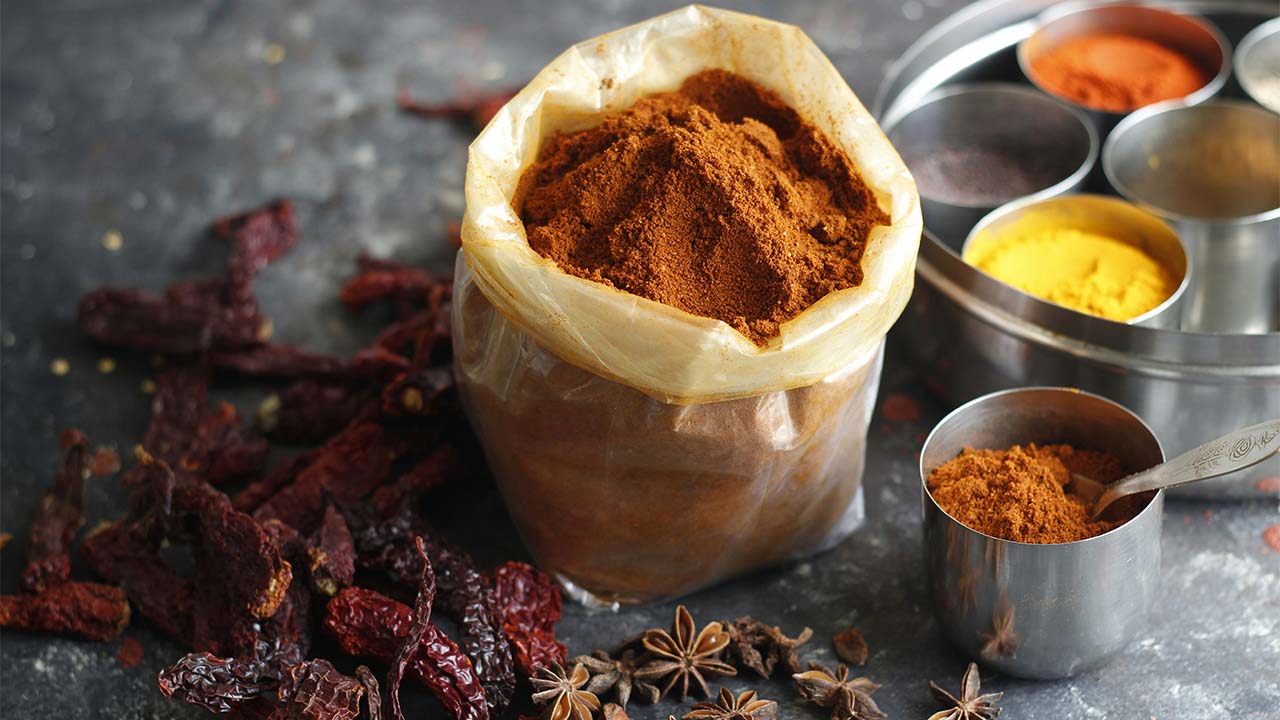
Curcumin is a powerful anti-inflammatory that blocks the enzymes that destroy bone. Its effect is so potent that many studies compare its effectiveness to the use of chlorhexidine mouthwashes, but without the side effects of tooth staining.
Conclusion: Your Body is an Ecosystem
Supplementation doesn’t replace brushing or visits to the periodontist, but it does offer a biological advantage. By nourishing your cells from within, you create a hostile environment for bacteria in your mouth and a safe haven for your teeth. Before starting any regimen, remember that the key is personalization based on your blood tests.