




Many people aren’t sure when to see a general dentist and when to see a periodontist. Although both professionals focus on oral health, there are important differences in their training, approach, and the types of treatments they provide.
Understanding these differences will help you make better decisions about caring for your gums and your smile.
Below, I’ll explain the 10 main differences between a general dentist and a periodontist
1. Education
A general dentist studies dentistry and can perform most basic treatments.
A periodontist, on the other hand, completes a university-level specialization in periodontics, where they are trained to treat diseases of the gums and supporting tissues and perform advanced surgical procedures.
2. Treatment Approach
General dentists take a comprehensive approach to oral health, focusing on cavities, restorations, and cleanings.
Periodontists focus on the tissues that support the teeth: the gums, bone, and periodontal ligaments. Their goal is to keep these tissues healthy and prevent their loss.
3. Treatment of periodontal disease
Gingivitis and periodontitis are conditions that require specialized care.
While a general dentist can detect the initial symptoms, comprehensive treatment—such as scaling, root planing, or periodontal surgery—must be performed by a periodontist.
4. Use of specialized technology
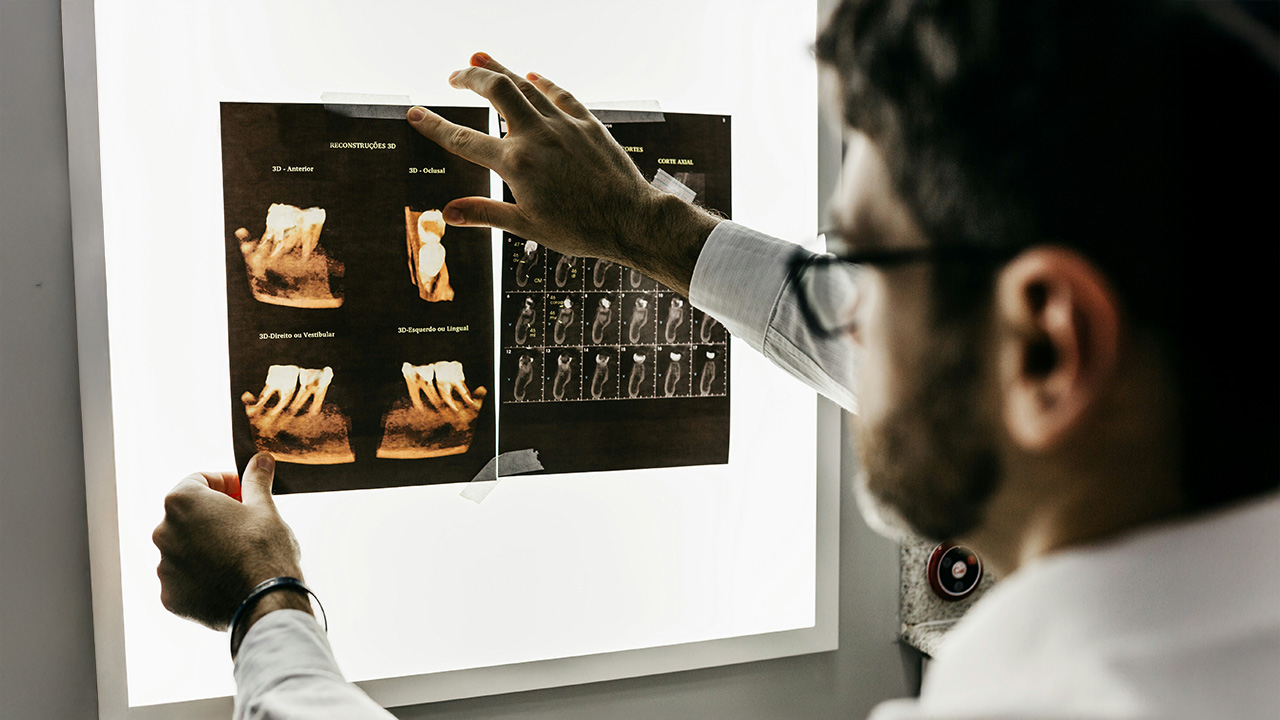
Periodontists use specialized equipment and techniques such as periodontal probing, detailed X-rays, and assisted microsurgery.
These tools enable accurate diagnosis and minimally invasive treatments.
5. Management of Gingival Retraction and Recession
When the gums recede, they expose part of the tooth root.
A periodontist is trained to perform gum grafts and correct gum recession, which is beyond the scope of a general dentist.
6. Interdisciplinary collaboration

General dentists typically refer patients to periodontists when they detect more complex gum problems.
In fact, these two professionals work together to provide comprehensive treatment and achieve lasting aesthetic and functional results.
7. Periodontal and regenerative surgery
Periodontists perform surgeries to remove periodontal pockets, regenerate bone and tissue, and improve the appearance of the gum line.
These techniques require advanced surgical training.
8. Focus on Long-Term Prevention
A periodontist not only treats the disease but also designs a personalized maintenance plan to prevent relapses.
Regular follow-up is key to maintaining gum health and ensuring treatment success.
9. Integration with Cosmetic and Implant Treatments
The periodontist is also responsible for placing and maintaining dental implants, ensuring that the soft and hard tissues integrate properly.
In addition, they can enhance the harmony of the smile through gingival cosmetic procedures.
10. More predictable and long-lasting results

When your gums are compromised, seeing a periodontist directly ensures an accurate diagnosis and effective treatment.
Specialized care prevents complications and extends the lifespan of your teeth and implants.
Conclusion
Both general dentists and periodontists are essential for a healthy smile, but each plays a different role.
If you experience bleeding, swelling, or gum recession, it is best to see a board-certified periodontist, who will provide comprehensive and specialized care.
📅 Schedule your periodontal evaluation in Armenia, Quindío
Restore the health of your gums and improve the appearance of your smile with Dr. Juliana Echeverri, a periodontist and member of the Colombian Association of Periodontology and Osseointegration.